


Why Traditional Alarms Miss the Moment that Matters
When most people think of a security alarm, they [...]
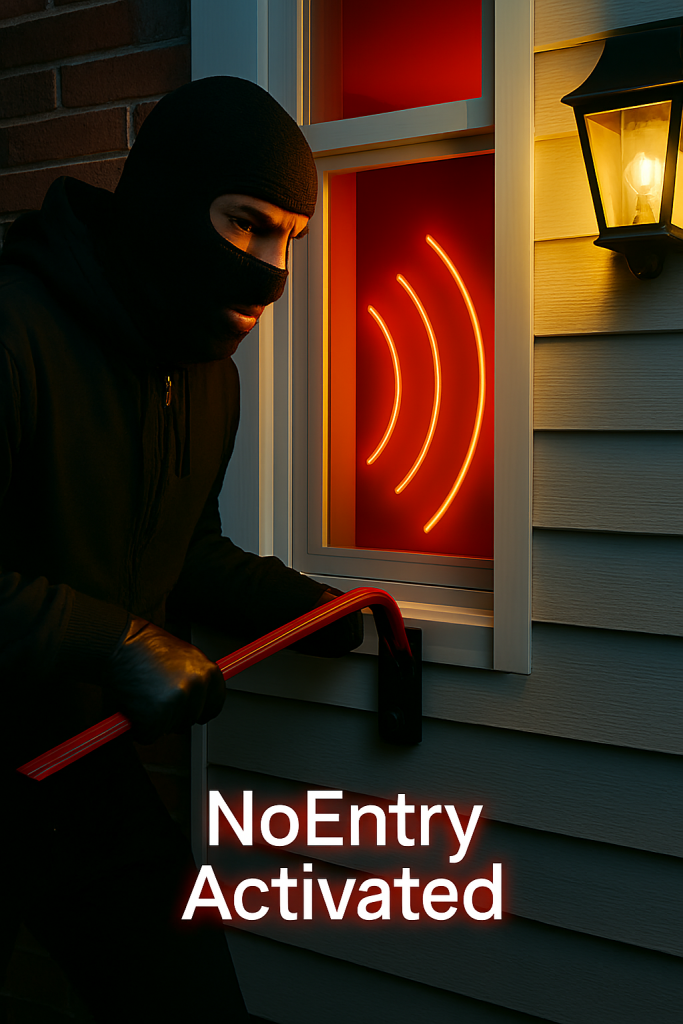
When most people think of a security alarm, they imagine PIR sensors, door contacts, and motion detectors. These technologies are familiar – but they all share the same fundamental flaw: they only activate once the intruder is already inside the property: This is exactly why traditional alarms miss the moment homeowners need the most – the early stage where intent is forming. \
Why Traditional Alarms Miss the Moment
Traditional alarms react too late.
PIRs and contact sensors are placed inside the building. They trigger when:
- someone walks past a motion sensor
- a door or window is fully opened
- movement is detected inside a room
- insects taking a stroll across the sensors
- defective equipment or wiring problems
- human error
By the time this happens, the break-in has already occurred. The door or window has been forced open, and the burglar is physically inside your home. This is the weakness of most burglar alarms and home alarms – they react to the aftermath, not the attempt – traditional alarms miss the moment.
The hidden gap in traditional security
Traditional alarms don’t detect:
- pressure on the frame
- the first movement of a door/window
- the sound signature of a forced opening
- early signs of tampering
They only react once the intruder has succeeded.
How NoEntry closed that gap
- NoEntry’s Acoustic Detection Engine listens for the distinct sound signature created when a door or window begins to open under force. This sound happens before the intruder steps inside.
By detecting the earliest signs of a break-in attempt,
NoEntry:
- alerts you sooner
- deters intruder
- reduces damage
- protects property more effectively
A smarter, earlier, safer approach
NoEntry Security Alarm works at the stage traditional alarms miss. Instead of waiting for movement inside the property, it listens for the early acoustic signs of a break-in, the pressure, tools and subtle manipulations that happen before an intruder gets through a door or window. By recognising intent at this earlier moment, NoEntry acts before entry occurs. Once the burglar is inside the property, their task is easy.