

The Technology
SONIS SMART SECURITY LTD
Patented
Acoustic-intelligence
Security
Pre-Entry Threat Detection
for Homes and Properties
loT & Smart Security Platforms
Traditional alarms only react after a break-in.
Security providers need an earlier warning, fewer false alarms, and smarter integration with modern loT ecosystems
Our Technology
Sonis Has developed a patented acoustic-intelligence system that identifies pre-entry behaviour – the sounds and patterns associated with attempted break-ins before a door or window is breached.
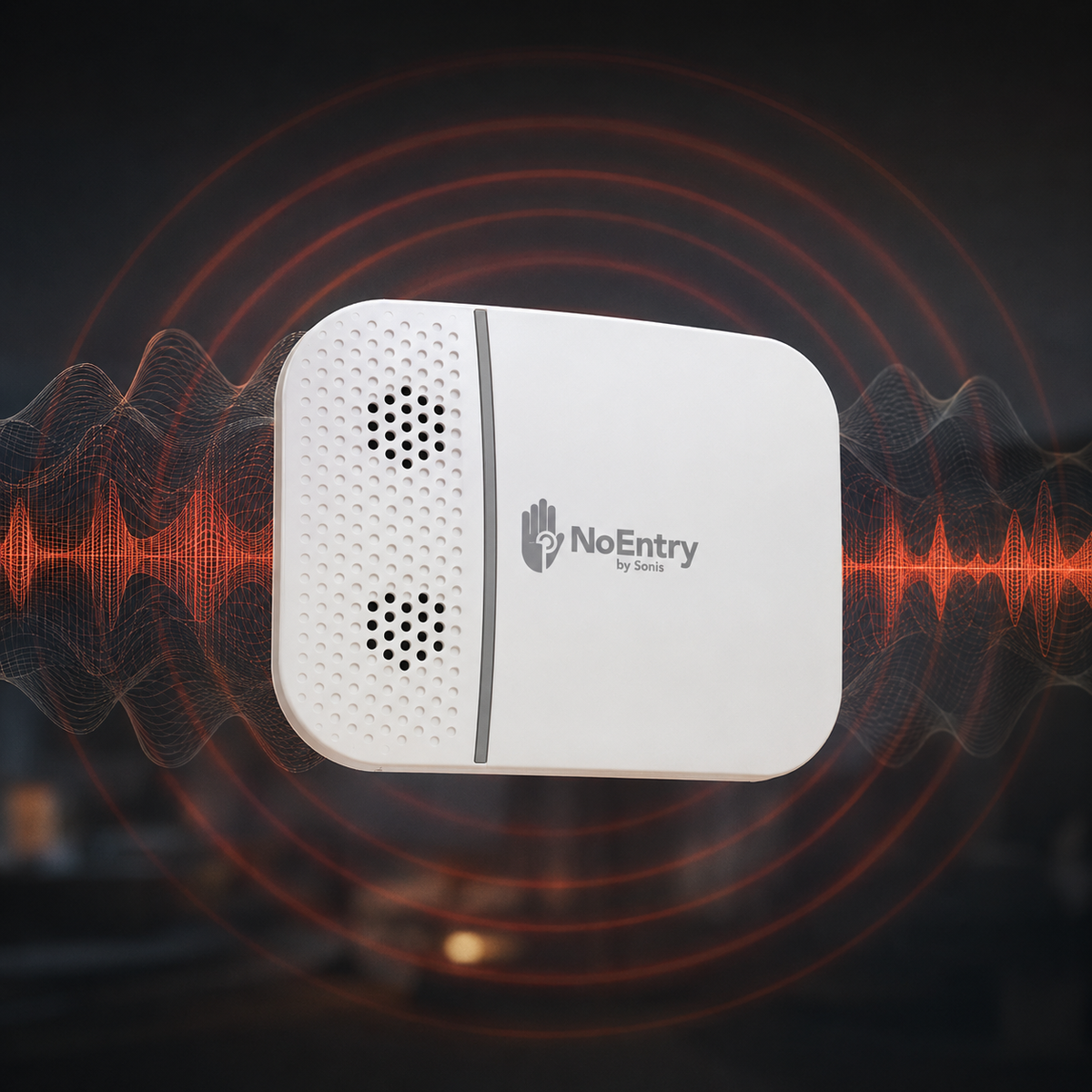
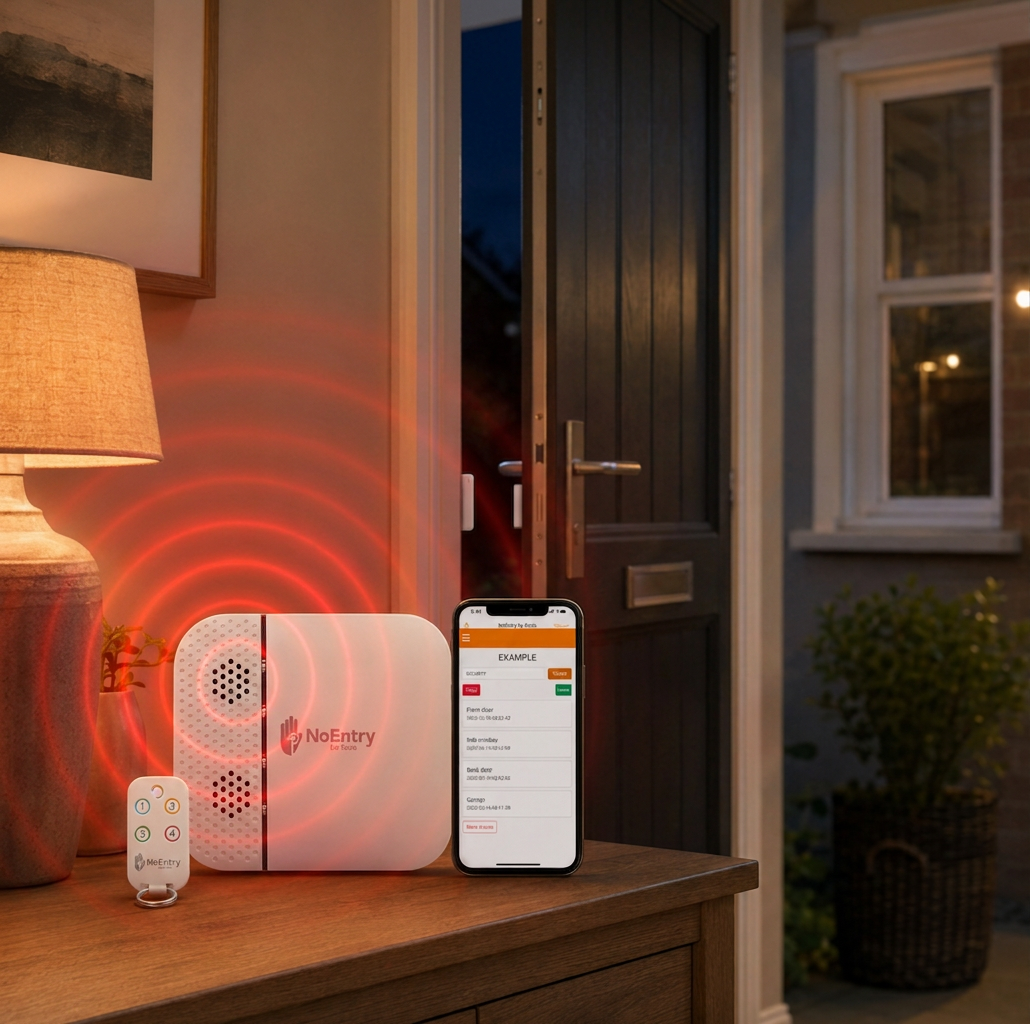
Early-Warning Detection
NoEntry does not wait for an intruder to get inside. It uses sound signature technology to sense forced entry attempts as they begin.
When someone opens a door or a window, NoEntry detects the disturbance and triggers an instant alert.
Smart Software Versions for Different Properties.
Homes and caravan walls behave differently during an attempted break-in. That’s why NoEntry comes in two versions, each with its own bespoke software.

Why Earlier Sound-Analysis Alarm Systems Failed – and Why Sonis Works
Several European security companies evaluated early “sound-analysis” intrusion systems in the mid-2010s. These systems attempted to detect break-ins by analysing general room audio. While innovative for their time, they suffered from fundamental technical limitations that made false alarms unavoidable.

Why Sonis Works
Sonis does not analyse general room noise. Instead, it detects the specific acoustic signature of forced entry—a narrow, predictable, repeatable mechanical pattern that is unaffected by voices, TV, or daily life. This is why Sonis achieves high precision with near-zero false alarms.
The technology activates before entry and covers all doors and windows simultaneously.